





In brief
- U.S. District Judge Lewis Kaplan denied Sam Bankman-Fried's motion for a new trial on Tuesday, rejecting claims that witnesses had faced "threats from the government."
- The judge called Bankman-Fried's allegations "wildly conspiratorial and entirely contradicted by the record."
- Bankman-Fried is serving a 25-year prison sentence after being convicted on multiple charges of fraud and conspiracy in 2023.
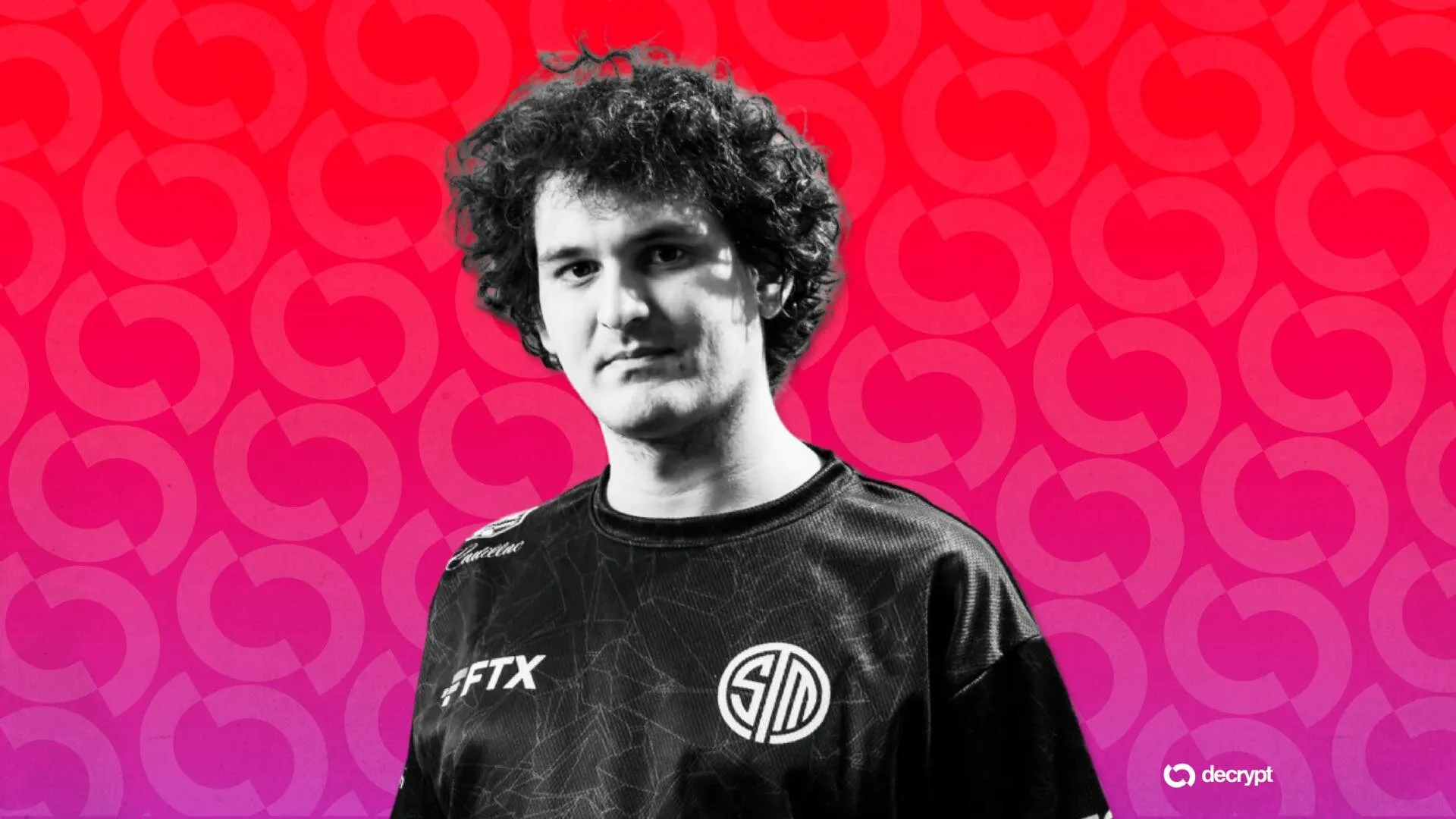
A federal judge has rejected Sam Bankman-Fried's bid for a new trial, dealing a blow to the imprisoned FTX founder's efforts to overturn his fraud conviction.
U.S. District Judge Lewis Kaplan issued a scathing denial Tuesday, dismissing Bankman-Fried's claims that there were new witnesses whose testimony warranted a new trial. "None of the witnesses, for example, is 'newly discovered,'" Kaplan wrote in his ruling, noting that Bankman-Fried "could have obtained or at least sought to compel their testimony. But he did neither."
The judge characterized the motion as part of a calculated reputational rehabilitation effort, stating that "This motion appears to be one part of a plan to rescue his reputation that Bankman-Fried hatched and even committed to writing after FTX declared bankruptcy but before he was indicted," according to court documents.
Bankman-Fried's conviction and sentence are under consideration by the federal appeals court in New York, but the FTX founder had also separately sought a retrial in a motion filed by his mother in February on his behalf. Although Bankman-Fried withdrew it last week, claiming he wouldn't receive a fair hearing from Judge Kaplan, the court still issued a formal denial to close the matter.
The FTX founder had alleged that Nishad Singh, the firm's head of engineering, had changed his story after "threats from the government," and that two other executives, Daniel Chapsky and Ryan Salame, would dispute the prosecution's claims, but that they had declined to testify for fear of retaliation.
In his filing, Judge Kaplan stated that Bankman-Fried's assertions that the witnesses' absence was due to "government threats and retaliation" was "wildly conspiratorial and entirely contradicted by the record."
Government prosecutors had already mounted a forceful opposition to the retrial request before its withdrawal. "The defense's decision not to put the witnesses on his witness list or compel their testimony forecloses any claim that their post-trial views are newly discovered," U.S. prosecutors wrote.
Prosecutors particularly disputed Bankman-Fried's suggestion that FTX's current reorganization efforts somehow vindicated him. The filing noted that at one point, the exchange held just 105 BTC against customer claims approaching 100,000 BTC. "The motion's most aggressive claim—that FTX was solvent, that customers have since been made whole, and that the prosecution therefore rested on a lie—is factually wrong, legally irrelevant, and deeply misleading," prosecutors stated.
SBF's legal battles
The denial marks the latest chapter in the legal saga that began with FTX's dramatic November 2022 collapse. Sam Bankman-Fried was charged with multiple counts of fraud, conspiracy and money laundering, with prosecutors alleging he misappropriated billions in customer funds from his exchange to cover losses at his trading firm Alameda Research and fund political donations and luxury purchases.
His conviction on all charges in November 2023 represented one of the most significant white-collar prosecutions in recent history, with the 25-year sentence reflecting the scale of the alleged fraud.
Bankman-Fried has pursued multiple strategies since his conviction, requesting a new trial after firing his attorney in February, while a court letter submitted in his name but written by his mother was rejected by Judge Kaplan a month later. President Trump has ruled out a pardon for the FTX founder, further limiting his options for early release.